
Last Updated on June 13, 2026
Summer is one of the most exciting times of the year to get out on the water. School is out, vacation season is in full swing, and long daylight hours give anglers more opportunities than ever to fish. While many people assume that hot weather automatically means great fishing, experienced anglers know that summer can be one of the most challenging seasons to consistently catch fish.
Whether you’re fishing the Florida surf, a coastal lagoon, an inland lake, or a river system, the intense summer heat changes fish behavior in significant ways. Rising water temperatures affect feeding patterns, oxygen levels, and fish movement. Add in bright sunshine and increased boating activity, and you’ll quickly discover that the tactics that worked in spring may not produce the same results during the hottest months of the year.
The good news is that fish still need to eat, and with a few adjustments to your strategy, summer can provide some of the most productive fishing of the year. Understanding where fish move, when they feed, and how to stay comfortable in the heat can dramatically improve your success.
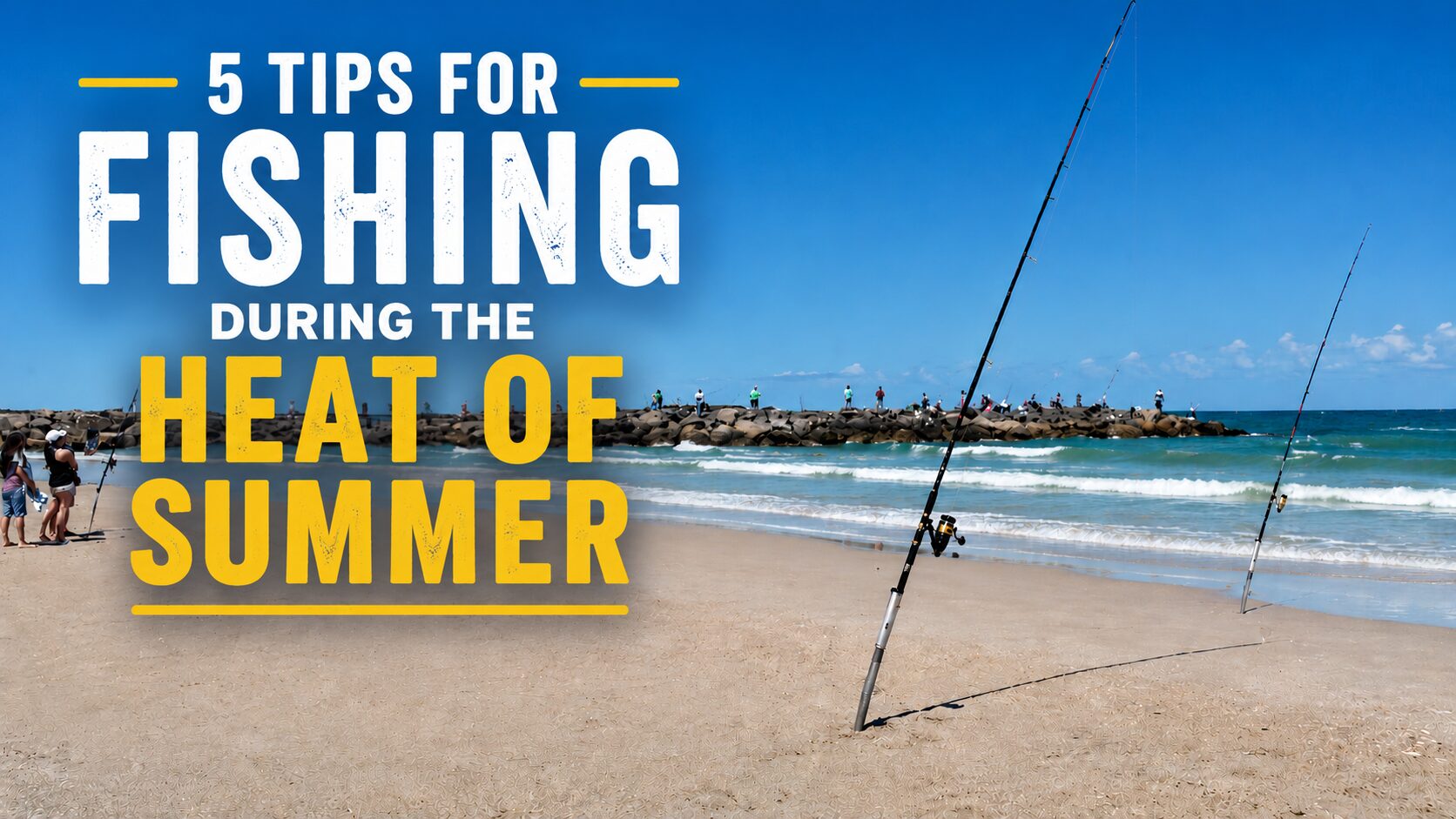
Here are five proven tips to help you catch more fish and stay safe while fishing during the heat of summer.
1. Fish Early, Fish Late, and Consider Fishing at Night
One of the biggest mistakes anglers make during the summer is fishing during the hottest part of the day and expecting the same level of activity they see during cooler months.
Fish are cold-blooded creatures, meaning their body temperature is influenced by the surrounding water. As water temperatures rise, many species become less active during the middle of the day. At the same time, bright sunlight can make fish more cautious and push them toward deeper or shaded areas.
For this reason, the most productive fishing often occurs during the “low-light” periods around sunrise and sunset.
Why Early Morning Works
The hours immediately before and after sunrise are often considered the best fishing times of the day. Overnight cooling helps reduce water temperatures, making fish more comfortable and more willing to feed aggressively. Baitfish are also highly active during this period, creating feeding opportunities for predators.
Many popular Florida species such as snook, redfish, tarpon, trout, and pompano are known to feed heavily during the first few hours of daylight.
The Evening Advantage
As the sun begins to set, temperatures start to drop again, and fish become more active. The evening bite can often be just as productive as the morning bite, especially on hot days when fish have spent most of the afternoon conserving energy.
Don’t Overlook Night Fishing
Some of the best summer fishing happens after dark. Nighttime temperatures are significantly cooler, and many species become much more comfortable moving into shallow water to hunt.
Surf anglers frequently find success targeting snook and tarpon at night, while freshwater anglers often see increased activity from bass and catfish after sunset. Fishing under dock lights, bridge lights, and other illuminated structures can be particularly productive because these areas attract baitfish, which in turn attract predators.
If your schedule allows, shifting your fishing trips to early morning, late evening, or nighttime can dramatically improve both your comfort and your catch rate.
2. Find Shade and Structure
Just like people seek shade on a hot summer day, fish often do the same.
Shade provides several important benefits for fish. It helps reduce exposure to direct sunlight, can create slightly cooler water temperatures, and offers excellent ambush opportunities for predatory species.
When temperatures soar, shaded areas often become prime feeding locations.
Where to Look for Shade
Natural and man-made structures can both create productive shaded zones. Some of the best places to target include:
- Overhanging trees
- Mangrove shorelines
- Docks and piers
- Bridges and bridge pilings
- Boat lifts
- Jetties
- Rock formations
- Seawalls
- Floating vegetation
These areas often serve as natural gathering points for baitfish, making them attractive to larger predators.
Focus on the Edges
One common mistake is casting directly into the darkest portion of the shade. While fish may hold there, many predators actually position themselves along the edges of the shadow line.
The transition between sunlight and shade creates a natural ambush zone where fish can remain concealed while waiting for prey to pass by.
When approaching a shaded area, make casts that run parallel to the edge of the shade or allow your bait to move naturally from sunlight into shadow.
Structure Plus Shade Equals Opportunity
The most productive summer spots often combine shade with some type of structure.
For example, a dock that provides shade while also holding barnacles, baitfish, and current breaks can become a feeding station for numerous gamefish species. Similarly, a mangrove shoreline with deeper water nearby may hold fish throughout the hottest hours of the day.
When searching for fish during summer, prioritize areas that offer both cover and comfort.
3. Look for Temperature Breaks
One of the most overlooked summer fishing strategies is identifying temperature breaks.
A temperature break occurs when two bodies of water with different temperatures meet. These subtle changes can have a major impact on fish behavior.
Fish are constantly searching for conditions that provide the best balance of comfort, oxygen, and food availability. Temperature transitions often create exactly those conditions.
Why Temperature Breaks Matter
Temperature differences can concentrate baitfish, plankton, and other food sources. Wherever bait gathers, gamefish are usually not far behind.
In many cases, even a temperature difference of just a few degrees can attract large numbers of fish.
Common Locations for Temperature Breaks
Some of the best places to find temperature breaks include:
- River mouths
- Creek inlets
- Freshwater runoff areas
- Tidal channels
- Springs
- Deep-water channels
- Areas influenced by ocean currents
Along Florida’s coastlines, tidal movement often creates visible boundaries where different water masses meet. These areas can become feeding hotspots throughout the summer.
How to Identify Them
Sometimes temperature breaks are easy to spot.
You may notice:
- Changes in water color
- Differences in water clarity
- Distinct current lines
- Floating debris gathering in one area
- Concentrations of baitfish
Other times, the differences may be less obvious.
Modern fish finders and temperature gauges make locating temperature breaks much easier, but even simple observation can reveal productive areas. Paying attention to changes in water appearance and fish activity can often lead you directly to these hidden hotspots.
Whenever you find a location where cooler water intersects warmer water, it’s worth spending extra time fishing there.
4. Target Deeper Water During Peak Heat
For much of the year, shallow water is one of the most productive places to fish. However, during the peak of summer, fish frequently move deeper in search of cooler and more stable conditions.
This shift can be especially noticeable during midday when the sun is at its highest point.
Why Fish Move Deep
Shallow water heats up quickly. In some areas, water temperatures can rise several degrees over the course of a single afternoon.
As temperatures increase, oxygen levels can decrease, making these areas less comfortable for fish.
Deeper water generally offers:
- Cooler temperatures
- More stable conditions
- Higher oxygen levels
- Reduced light penetration
- Greater protection from predators
These factors make deeper water attractive during the hottest parts of the day.
Productive Deep-Water Areas
Look for:
- Channels
- Drop-offs
- Deep pockets
- Troughs in the surf
- Boat basins
- Navigation cuts
- Deep holes near structure
For surf anglers, locating a deeper trough between sandbars can make a significant difference. Fish often use these deeper corridors as travel routes and feeding areas when shallow water becomes too warm.
Adjust Your Presentation
When targeting deeper fish, it’s important to adjust your tackle and presentation accordingly.
You may need:
- Heavier weights
- Larger jig heads
- Sinking lures
- Slower retrieves
- Longer pauses
Fish in deeper water may not be as aggressive as they are during cooler periods, so giving them a slower, more natural presentation often produces better results.
Remember, if the shallow bite disappears during the middle of the day, don’t assume the fish have stopped feeding entirely. They may simply have moved deeper.
5. Protect Yourself from the Summer Heat
While most anglers focus on finding fish, protecting yourself should always be a top priority.
Summer fishing can expose you to extreme heat, intense UV radiation, and high humidity for extended periods. Heat-related illnesses can develop quickly, especially when you’re concentrating on fishing and not paying attention to your body’s warning signs.
Hydration Is Critical
Dehydration is one of the most common problems anglers face during summer.
By the time you feel thirsty, your body may already be experiencing the early effects of dehydration.
Make hydration part of your fishing routine:
- Drink water before you feel thirsty.
- Bring more water than you think you’ll need.
- Consider electrolyte drinks for long trips.
- Limit excessive caffeine and alcohol consumption.
Frequent hydration helps maintain energy levels, concentration, and overall safety.
Dress for the Conditions
Modern fishing apparel makes it easier than ever to stay cool while protecting your skin.
Consider wearing:
- Lightweight long-sleeve fishing shirts
- Moisture-wicking fabrics
- UV-protective clothing
- Wide-brim hats
- Neck gaiters
- Polarized sunglasses
Contrary to popular belief, covering your skin often keeps you cooler than exposing it directly to the sun.
Use Quality Sunscreen
Even on cloudy days, UV exposure can be significant.
Apply a broad-spectrum sunscreen with SPF 30 or higher and reapply throughout the day, especially if you’re sweating heavily or spending time in the water.
Know the Signs of Heat Stress
Watch for symptoms such as:
- Dizziness
- Headaches
- Nausea
- Excessive fatigue
- Muscle cramps
- Confusion
If you experience any of these symptoms, seek shade immediately, hydrate, and cool down before continuing.
No fish is worth risking your health.
Final Thoughts
Summer fishing presents unique challenges, but it also offers incredible opportunities for anglers willing to adapt. Understanding how heat affects fish behavior can help you make smarter decisions and stay productive even on the hottest days of the year.
Focus your efforts during low-light periods, seek out shaded structure, pay attention to temperature breaks, target deeper water when necessary, and always prioritize your safety in the heat.
Florida’s shores, rivers, lakes, and coastal waters continue to produce outstanding fishing throughout the summer months. With the right approach, you’ll not only catch more fish but also enjoy a safer and more comfortable experience on the water.
So pack plenty of water, plan around the cooler parts of the day, and get out there. The fish are still biting—you just need to know where to find them.
Good luck, tight lines, and enjoy your summer on the water!
Daniel Hagan has been fishing Florida’s shores since 1985 and writing about it for more than 20 years. As Managing Editor of FloridaShoreFishing.com, he shares firsthand experience covering surf and pier fishing, tackle, techniques, and Florida’s coastal species.