
One of the biggest secrets to successful Florida surf fishing isn’t your bait, rod, or tackle—it’s understanding beach structure. Fish don’t roam randomly along miles of shoreline. Instead, they concentrate around underwater features that provide food, current flow, and protection. Learning how to identify troughs, cuts, and sandbars can dramatically increase your catch rates from the beach.
What Beach Structure Actually Attracts Fish?
Beach structure creates natural feeding zones. Waves, tides, and currents constantly reshape the shoreline, forming underwater highways where baitfish, shrimp, crabs, and other prey gather. Predatory fish follow these food sources, making certain sections of the beach far more productive than others.
The three most important structures for Florida shore anglers are troughs, cuts, and sandbars.
Identifying Troughs from Shore
A trough is a deeper channel of water that runs parallel to the beach between the shoreline and an offshore sandbar. Troughs often appear as darker water because of their increased depth.
Look for:
- Darker bands of water close to shore
- Areas where waves lose energy before breaking
- Consistent water movement parallel to the beach
Troughs are prime feeding lanes for Pompano, Whiting, Redfish, and Snook. During high tide, many fish move into these deeper channels to feed just yards from the sand.
Finding Cuts in Sandbars
A cut is a break or opening in a sandbar where water flows between deeper areas. These openings act like funnels that concentrate bait and create ambush points for predators.
From the beach, cuts often appear as:
- Gaps where waves don’t break consistently
- Darker water extending through a sandbar
- Areas with stronger current movement
Fish frequently position themselves on either side of a cut, waiting for baitfish and crustaceans to be swept through by tidal currents.
Why Bait Concentrates in These Areas
Troughs and cuts naturally collect food. Wave action dislodges sand fleas, shrimp, small crabs, and baitfish, while tidal currents transport them through channels and openings.
This concentration of food creates predictable feeding zones. Instead of searching vast stretches of beach, fish can simply hold near structure and let the current bring meals to them.
Best Tides for Each Structure
Troughs: Often fish best during incoming and high tides when predators move close to shore.
Cuts: Typically shine during moving water, especially the outgoing tide when bait is flushed through openings in the sandbar.
Sandbar Edges: Productive during both incoming and outgoing tides as fish patrol the drop-offs looking for easy prey.
Species Examples
Pompano
Pompano love feeding along troughs and the edges of cuts where sand fleas and small crustaceans collect.
Whiting
Whiting often cruise shallow troughs close to shore, especially during rising tides.
Snook
Snook frequently stage near cuts and deeper troughs, using current flow to ambush baitfish (Snook are highly regulated, keep up to date with their regulations).
Redfish
Redfish patrol troughs and sandbar edges searching for crabs, shrimp, and other bottom-dwelling prey.
Common Mistakes Beginners Make
Many new surf anglers make the mistake of casting as far as possible. In reality, fish are often feeding in the first trough only 20 to 50 feet from shore.
Other common mistakes include:
- Ignoring water color changes
- Fishing featureless stretches of beach
- Overlooking moving water around cuts
- Staying in one spot too long when structure isn’t present
The next time you hit a Florida beach, spend a few minutes studying the water before making your first cast. By learning to identify troughs, cuts, and sandbars, you’ll begin seeing the beach the same way fish do—and you’ll consistently find more productive fishing opportunities.
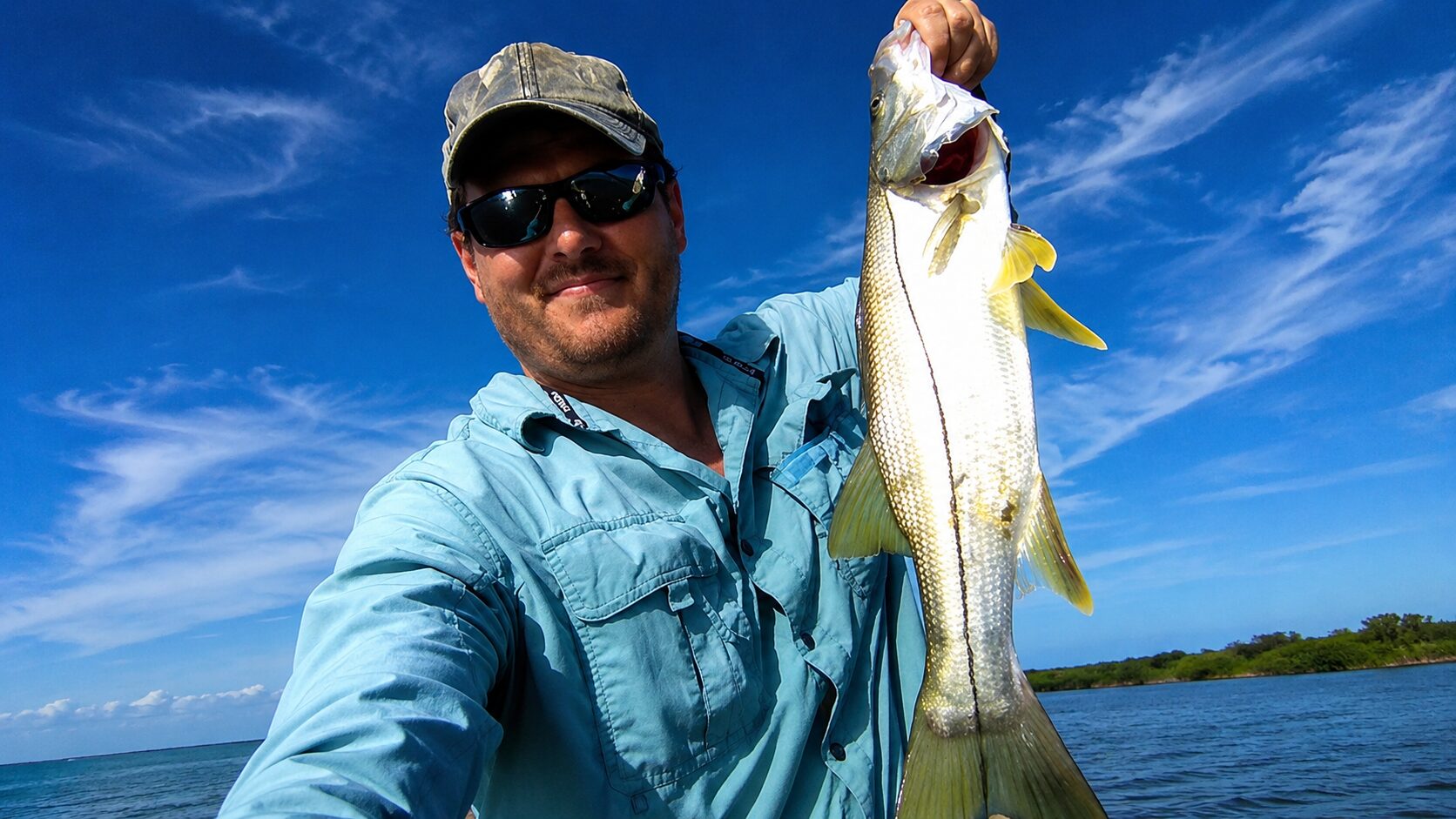
Daniel Hagan has been fishing Florida’s shores since 1985 and writing about it for more than 20 years. As Managing Editor of FloridaShoreFishing.com, he shares firsthand experience covering surf and pier fishing, tackle, techniques, and Florida’s coastal species.