
Last Updated on June 16, 2026
Florida’s thousands of bridges create some of the most productive fishing opportunities in the country. From the Panhandle to the Florida Keys, bridges concentrate bait, provide structure, and create powerful current breaks that attract everything from snook and tarpon to mangrove snapper and jack crevalle.
Yet one of the biggest mistakes anglers make is fishing the same spot regardless of tide conditions. Successful bridge anglers understand that fish move constantly throughout the tidal cycle. The piling that produced a trophy snook on an incoming tide may be completely lifeless once the water starts falling.
Learning how gamefish position around bridges during every stage of the tide is one of the fastest ways to improve your catch rates. This Florida bridge fishing playbook breaks down exactly where fish hold and how to target them effectively.
Why Bridges Create Prime Feeding Zones
Bridges are fish magnets because they combine several key ingredients gamefish need:
- Structure
- Current
- Shade
- Ambush points
- Consistent bait movement
As tidal water flows through bridge spans, current accelerates around pilings and creates eddies, seams, and pressure points. These current breaks allow predatory fish to conserve energy while waiting for baitfish, shrimp, and crabs to drift within striking distance.
The bridge itself acts like an underwater buffet line. Every tide movement delivers food directly to waiting predators.
During strong tidal exchanges, fish rarely position randomly. Instead, they choose specific holding locations that provide the best feeding opportunities with the least amount of effort.
Understanding those locations is the foundation of successful Florida bridge fishing.
Incoming Tide Positioning
An incoming tide often brings cleaner, cooler, and more oxygen-rich water into Florida bays, inlets, and estuaries. Baitfish frequently move with this incoming water, followed closely by predators.
Where Fish Hold
During the incoming tide, many gamefish position on the up-current side of bridge pilings.
As water pushes toward the bridge structure, fish can sit just behind the current flow and ambush bait that gets swept around the pilings.
Key areas include:
- Up-current corners of bridge pilings
- Current seams between pilings
- Bridge shadow lines
- Channel edges adjacent to the bridge
Snook are particularly aggressive during strong incoming tides. They often position within inches of bridge pilings, waiting for baitfish to be pushed directly toward them.
Best Lures for Incoming Tide
- Paddle-tail soft plastics
- Bucktail jigs
- Live pilchards
- Live pinfish
- Swimbaits
Allow the current to carry your presentation naturally toward the structure. Artificial lures that drift with the tide often produce more strikes than aggressively retrieved baits.
Reading the Current
Watch for:
- Rip lines
- Water color changes
- Surface disturbances
- Concentrated bait activity
These visual indicators often reveal exactly where predators are feeding.
Outgoing Tide Positioning
Many experienced anglers consider the outgoing tide the best bridge fishing window in Florida.
As water drains from flats, mangroves, creeks, and backcountry areas, baitfish become concentrated and are forced through bridge openings.
For predators, it’s an easy feeding opportunity.
Where Fish Hold
During an outgoing tide, fish typically reposition to the down-current side of bridge pilings.
They use the turbulence behind the structure as a feeding station.
Focus on:
- Down-current eddies
- Current breaks behind pilings
- Bridge span funnels
- Deep holes adjacent to the bridge
Tarpon, snook, and jack crevalle often stack along these feeding lanes during strong outgoing flows.
Target the Current Seam
One of the most productive locations is where fast-moving water meets slower-moving water.
These seams act like conveyor belts carrying bait directly to waiting predators.
Cast slightly up-current and allow your bait to sweep naturally through the feeding zone.
Best Baits for Outgoing Tides
- Live mullet
- Live threadfin herring
- Shrimp
- Large soft plastics
- Diving plugs
Natural presentations are especially effective when current speeds increase.
Slack Tide Strategies
Many anglers leave when the tide stops moving.
That can be a mistake.
While feeding activity often slows during slack tide, fish do not disappear.
They simply reposition.
Where Fish Move During Slack Water
Without current, fish no longer need to sit directly behind current breaks.
Instead, they often move toward:
- Deep bridge holes
- Shade lines
- Underwater ledges
- Adjacent structure
Bridges still provide security and cover, even when water movement is minimal.
Slow Down Your Presentation
Slack tide requires patience.
Fish are typically less aggressive and may not chase fast-moving lures.
Effective options include:
- Live shrimp
- Small jigs
- Free-lined baitfish
- Soft plastic jerkbaits
Work your bait slowly and thoroughly around structure.
Focus on Shade
During sunny conditions, bridge shadows become especially important during slack water.
Predators often remain concealed inside these shaded areas while waiting for the next tidal movement to begin.
Best Bridge Species in Florida
Snook
When anglers think of bridge fishing for snook, Florida’s coastal bridges are often the first locations that come to mind.
Snook thrive around bridge structure because it provides:
- Shade
- Ambush points
- Current relief
- Consistent bait movement
Best Tides
- Strong incoming tide
- Strong outgoing tide
Best Areas
- Bridge shadow lines
- Pilings
- Current seams
Top Baits
- Live pilchards
- Live pinfish
- Large shrimp
- Paddle-tail swimbaits
Many trophy snook are caught within a few feet of bridge pilings. Accurate casting is critical.
Tarpon
Large tarpon frequently patrol Florida bridges, especially near major inlets and passes.
Bridges provide ideal feeding stations where tarpon can intercept bait swept through strong currents.
Best Tides
- Moderate to strong outgoing tide
- Early incoming tide
Best Areas
- Deep channels
- Down-current eddies
- Large bridge spans
Top Baits
- Live mullet
- Threadfin herring
- Crabs
- Large swimbaits
Tarpon often roll near bridge spans, giving anglers visual clues about their location.
Sheepshead
Sheepshead are structure-oriented specialists.
They feed heavily on barnacles, crustaceans, and small marine organisms growing directly on bridge pilings.
Best Tides
- Light incoming tide
- Light outgoing tide
Best Areas
- Pilings covered with growth
- Concrete supports
- Rocky bridge bases
Top Baits
- Fiddler crabs
- Shrimp
- Sand fleas
Use enough weight to maintain contact with the structure while keeping your bait in the strike zone.
Mangrove Snapper
Mangrove snapper are bridge fishing favorites throughout Florida.
They often school around pilings and can be extremely selective.
Best Tides
- Moderate incoming tide
- Moderate outgoing tide
Best Areas
- Shadow lines
- Cross-braces
- Deep pilings
Top Baits
- Live shrimp
- Small pilchards
- Cut bait
Light leaders and stealthy presentations often produce the best results.
Jack Crevalle
Jack crevalle are among the hardest-fighting fish commonly encountered around bridges.
They aggressively chase bait schools through current corridors.
Best Tides
- Strong incoming tide
- Strong outgoing tide
Best Areas
- Open spans
- Current funnels
- Bait concentrations
Top Lures
- Spoons
- Topwater plugs
- Soft plastics
- Bucktail jigs
When a school of jacks moves through a bridge area, action can become fast and furious.
Night Bridge Fishing Tactics
Some of Florida’s best bridge fishing occurs after sunset.
Artificial lighting around bridges attracts plankton, which attracts baitfish, which attracts predators.
The entire food chain becomes concentrated under bridge lights.
Target the Edge of the Light
Many anglers make the mistake of casting directly into the brightest part of the light.
Predators usually hold just outside the illumination.
These transition zones allow fish to remain concealed while watching for prey.
Focus on:
- Light-to-dark edges
- Shadow pockets
- Current seams near lights
Best Night Species
Night bridge fishing regularly produces:
- Snook
- Tarpon
- Mangrove snapper
- Jack crevalle
Large snook are especially known for feeding aggressively around bridge lights during warm months.
Best Nighttime Presentations
- Live shrimp
- Small baitfish
- Soft plastics
- Twitch baits
Retrieve lures naturally through the illuminated water while paying close attention to the edges.
Bridge Fishing Tackle Recommendations
While tackle varies by species, a versatile Florida bridge setup includes:
Rod
- Medium-heavy spinning rod
- 7 to 8 feet in length
Reel
- 4000 to 6000 size spinning reel
Line
- 20-30 pound braided line
Leader
- 30-60 pound fluorocarbon
Heavy structure and abrasive pilings make strong leaders essential.
Large fish hooked near bridge pilings often attempt to wrap the structure immediately after the strike.
Safety Considerations
Bridge fishing can be extremely productive, but safety should always come first.
Watch Traffic
Many Florida bridges experience heavy vehicle traffic.
Remain aware of your surroundings and avoid blocking pedestrian pathways.
Wear Proper Footwear
Bridge surfaces can become slippery from:
- Rain
- Algae
- Salt spray
Non-slip footwear reduces the risk of accidents.
Monitor Weather Conditions
Bridges are exposed locations.
Lightning, high winds, and rough seas can create dangerous situations quickly.
If thunderstorms approach, leave immediately.
Be Careful Around Strong Currents
Many bridges span inlets and passes with powerful tidal flows.
Avoid climbing onto unstable rocks or dangerous areas near swift-moving water.
Use Proper Lighting
For night fishing:
- Carry a headlamp
- Bring backup lighting
- Keep reflective gear visible
Maintaining visibility helps protect both anglers and nearby boaters.
Final Thoughts
Florida bridges are some of the most reliable fish-producing structures in the state, but success depends heavily on understanding tidal movement.
The most productive anglers don’t simply fish a bridge—they fish the tide.
Incoming tides push bait toward structure and position predators on one side of the bridge. Outgoing tides create feeding stations on the opposite side. During slack water, fish often shift to deeper areas and shade lines while waiting for current to resume.
Whether you’re targeting snook, tarpon, sheepshead, mangrove snapper, or jack crevalle, understanding these tidal patterns can dramatically improve your results.
The next time you head out, pay close attention to water movement and fish positioning. With the right tide and the right approach, Florida bridge fishing can provide some of the most exciting action available from shore.

Author: Daniel Hagan
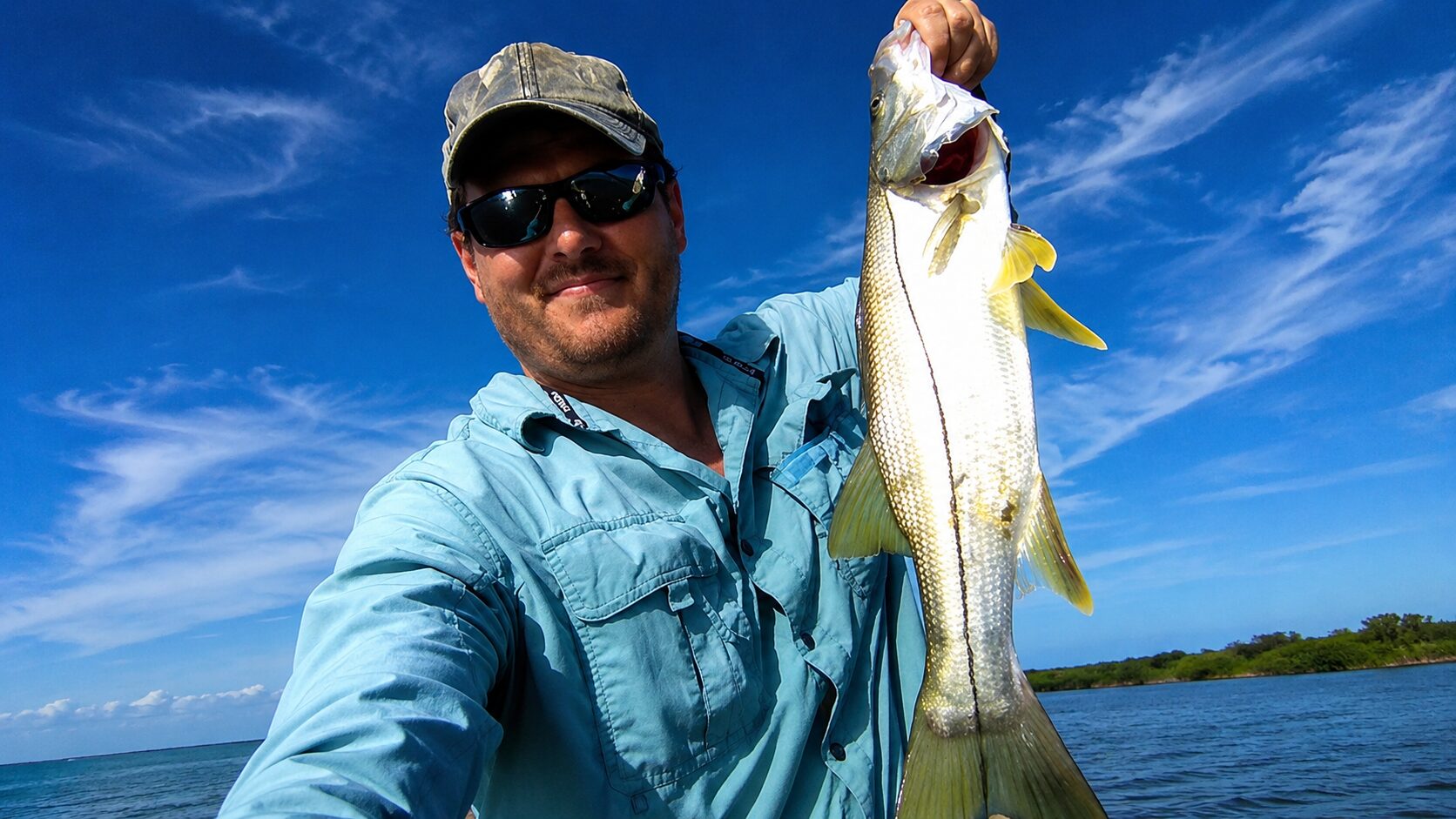
Daniel Hagan has been fishing Florida’s shores since 1985 and writing about it for more than 20 years. As Managing Editor of FloridaShoreFishing.com, he shares firsthand experience covering surf and pier fishing, tackle, techniques, and Florida’s coastal species.
Daniel Hagan has been fishing Florida’s shores since 1985 and writing about it for more than 20 years. As Managing Editor of FloridaShoreFishing.com, he shares firsthand experience covering surf and pier fishing, tackle, techniques, and Florida’s coastal species.