

Mangrove Snapper Fishing
The Mangrove Snapper (Lutjanus griseus), commonly known as the Grey Snapper, is one of the most popular and widely targeted snapper species found in coastal waters. Unlike many snapper species that spend most of their lives offshore, Mangrove Snapper can be caught consistently inshore, making them a favorite among anglers of all experience levels.
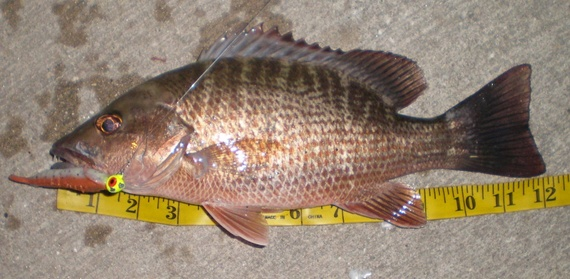
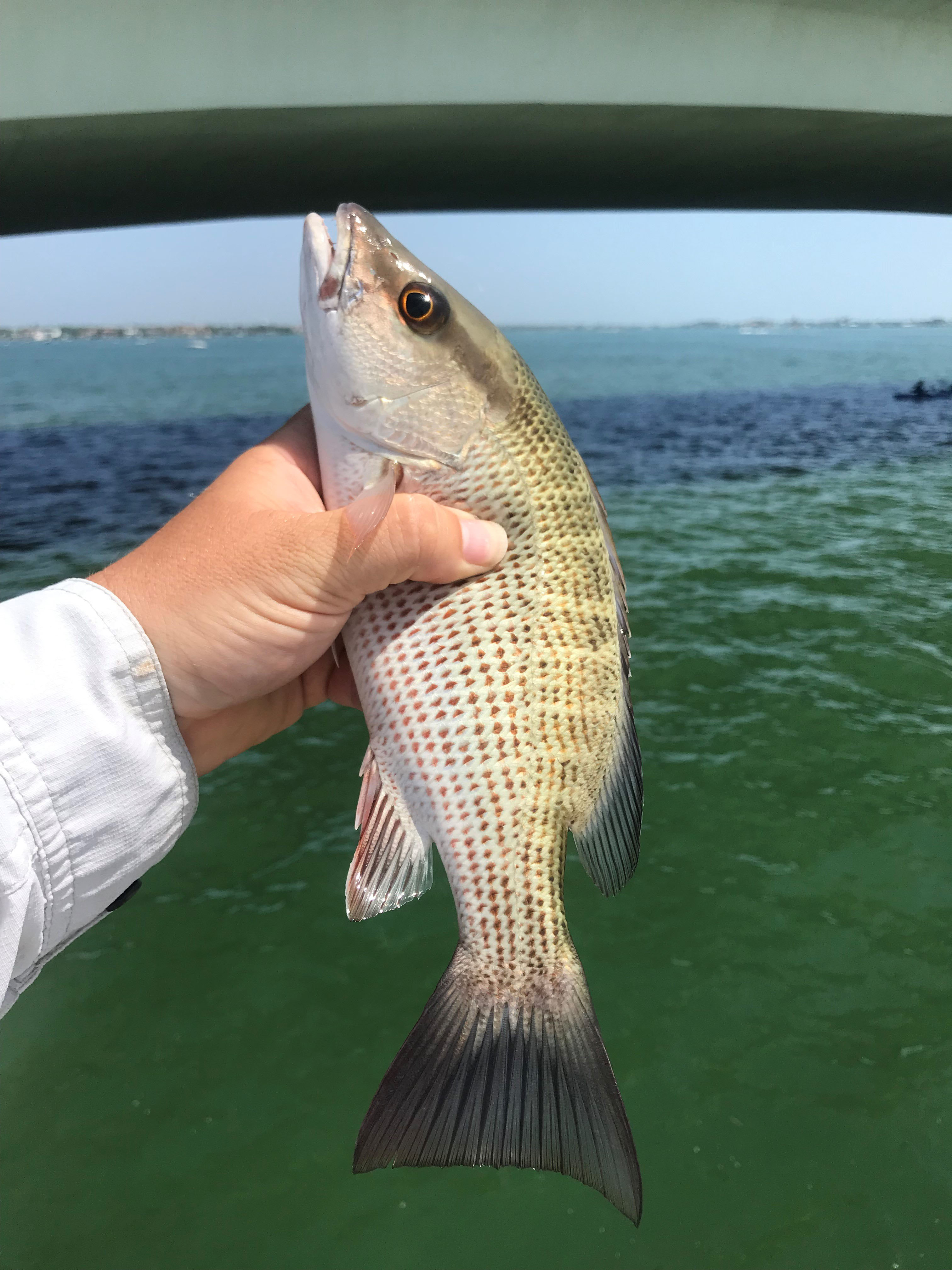
Mangrove Snapper have the classic snapper profile with a streamlined body, strong jaws, and sharp teeth designed for crushing and capturing prey. Their coloration can vary from bronze and olive tones to dark gray, depending on habitat and water conditions.
Juvenile Mangrove Snapper spend most of their early life in estuaries, creeks, and backwater environments before gradually moving offshore as they mature. Inshore fish typically measure between 10 and 14 inches and weigh 1 to 2 pounds. While offshore specimens can exceed 20 pounds, catching an inshore Mangrove Snapper over 3 or 4 pounds is considered a notable accomplishment.
Where to Find Mangrove Snapper
Offshore, Mangrove Snapper are commonly found around reefs, ledges, and shipwrecks. Inshore, they are highly structure-oriented and can be found anywhere that provides cover and a steady food source.
The species earned its name from its strong association with mangrove shorelines during its juvenile stages, but they can also be found around:
- Beach piers
- Inlets and passes
- Bridges and docks
- Rock piles
- Oyster bars and shell beds
- Deep holes and channel edges
Although Mangrove Snapper are generally considered bottom-oriented fish, they frequently suspend throughout the water column, especially when actively feeding. While it is uncommon to find them near the surface, many fish are caught at mid-depths or just above the bottom.
Best Gear for Mangrove Snapper
Since most inshore Mangrove Snapper weigh less than 2 pounds, virtually any quality saltwater inshore setup can be effective.
A medium-light spinning rod paired with a 2500–3000 size spinning reel is one of the most popular combinations. This setup provides enough sensitivity to detect subtle bites while maintaining enough power to pull fish away from structure.
For anglers fishing heavy cover with live bait, a lightweight saltwater baitcasting setup can also be highly effective.
Line and Leader Selection
Because Mangrove Snapper are almost always found around docks, pilings, rocks, and other abrasive structure, braided line is the preferred choice for most anglers. Braid offers excellent sensitivity, minimal stretch, and superior strength for its diameter.
A main line in the 10–20 pound test range is ideal for most inshore situations.
Mangrove Snapper possess exceptional eyesight and can become line-shy, especially in clear water. A fluorocarbon leader is highly recommended due to its low visibility and abrasion resistance. Leaders ranging from 12–20 pound test will handle most inshore conditions while remaining difficult for fish to detect.
Catching Mangrove Snapper on Artificial Lures
Although Mangrove Snapper are generally more responsive to natural baits, they can be caught consistently on artificial lures when presented properly.
Effective lure choices include:
- Berkley Gulp! Shrimp
- Curl-tail grubs
- Soft plastic shrimp
- Soft plastic jerkbaits
- Mud minnow imitation lures
- Finger mullet imitation lures
- Small paddle-tail swimbaits
When using artificial lures, downsizing is often the key to success. Choose lures that closely match the size of the local forage and can easily fit into the fish's mouth.
Make accurate casts close to structure without constantly snagging. Retrieve the lure with a slow, erratic action that imitates an injured baitfish or shrimp. Mangrove Snapper often strike aggressively, so be prepared to set the hook immediately when a bite is detected.
Using Live Bait
Live bait remains the most productive method for targeting Mangrove Snapper. These fish are opportunistic predators and readily feed on a wide variety of live offerings.
For inshore fishing, Mud Minnows are widely considered the top live bait option. They are hardy, remain lively on the hook for extended periods, and consistently attract quality fish.
Other productive live baits include:
- Live shrimp
- Small finger mullet
- Scaled sardines
- Small pinfish
- Small crabs
Best Live Bait Rigs
Fish Finder Rig (Carolina Rig)
The Fish Finder Rig is one of the most versatile rigs for Mangrove Snapper fishing.
The setup consists of a hook attached to a 12–20 inch fluorocarbon leader connected to a barrel swivel. Above the swivel, a bead and egg sinker are threaded onto the main line.
Use only enough weight to maintain bottom contact. Excessive weight can reduce natural bait movement and make fish more cautious.
Knocker Rig
The Knocker Rig is another excellent option, particularly when fishing around bridges, docks, and rocky structure.
With this rig, the egg sinker slides directly down the main line until it rests against the eye of the hook. This keeps the bait close to the bottom while allowing it to move naturally.
A subtle lift of the rod tip causes the sinker to tap against the hook eye, creating a faint clicking sound that can attract nearby fish.
Live Bait Fishing Techniques
Once productive structure has been located, position your boat or casting angle slightly up-current and present the bait naturally with the flow of the water.
Mangrove Snapper are ambush predators. They use structure as cover and often dart out to intercept prey before quickly retreating back into their hiding places.
When fishing from docks, bridges, or piers, many anglers focus solely on the deepest water available. However, the most productive areas are usually locations where structure and current combine to create feeding opportunities.
Look for:
- Current breaks
- Eddies behind pilings
- Rock piles
- Scoured holes created by current
- Oyster-covered structure
- Areas where current changes direction
Position your bait just up-current of these features and allow it to drift naturally into the strike zone.
Mangrove Snapper are often aggressive feeders that deliver unmistakable strikes. However, they can occasionally become extremely cautious and feed very lightly.
On tough days, downsizing your hook, reducing sinker weight, and using a longer fluorocarbon leader can dramatically improve your catch rate by creating a more natural presentation.
Circle Hook Considerations
Many coastal regions require the use of circle hooks when targeting reef fish, including snapper species.
When fishing with circle hooks, avoid the traditional hard hookset. Instead, simply begin reeling while applying steady pressure. Circle hooks are designed to rotate into the corner of the fish's mouth as the line tightens, resulting in solid hookups and easier releases.
Tips and Tricks
- Mud Minnows are often the most productive bait for inshore Mangrove Snapper.
- Bridges and piers located near deep water frequently hold larger fish.
- Mangrove Snapper can be found throughout the water column, not just near the bottom.
- Strong tidal movement generally increases feeding activity.
- Fish often position themselves on the up-current side of structure.
- During cooler months, many inshore fish move toward deeper water or offshore habitats.
- Clear water conditions may require lighter leaders and more stealthy presentations.
Final Thoughts
Mangrove Snapper are one of the most exciting and accessible inshore game fish available to coastal anglers. Their willingness to hold around a wide variety of structure, combined with their aggressive feeding behavior and excellent table fare, makes them a favorite target year-round. Whether you're fishing bridges, docks, mangrove shorelines, or deep inlets, understanding their habits and presenting your bait naturally can lead to consistent success on the water.
Comment here
You must be logged in to post a comment.