
Sheepshead are one of the most popular inshore saltwater fish in Florida, and for good reason. They are abundant, fight hard for their size, and are widely regarded as one of the best-tasting fish found in Florida's coastal waters. They are also one of the most frustrating fish to catch.
Nicknamed the "convict fish" because of their distinctive black vertical stripes, sheepshead have developed a reputation for stealing bait without anglers ever realizing they had a bite. Learning to detect their subtle strikes and understanding where they feed is the key to consistently catching them.
Whether you're fishing from a dock, bridge, jetty, seawall, or shoreline, this guide covers everything you need to know about catching sheepshead in Florida, including the best gear, bait, locations, techniques, and seasonal patterns.
What Is a Sheepshead?
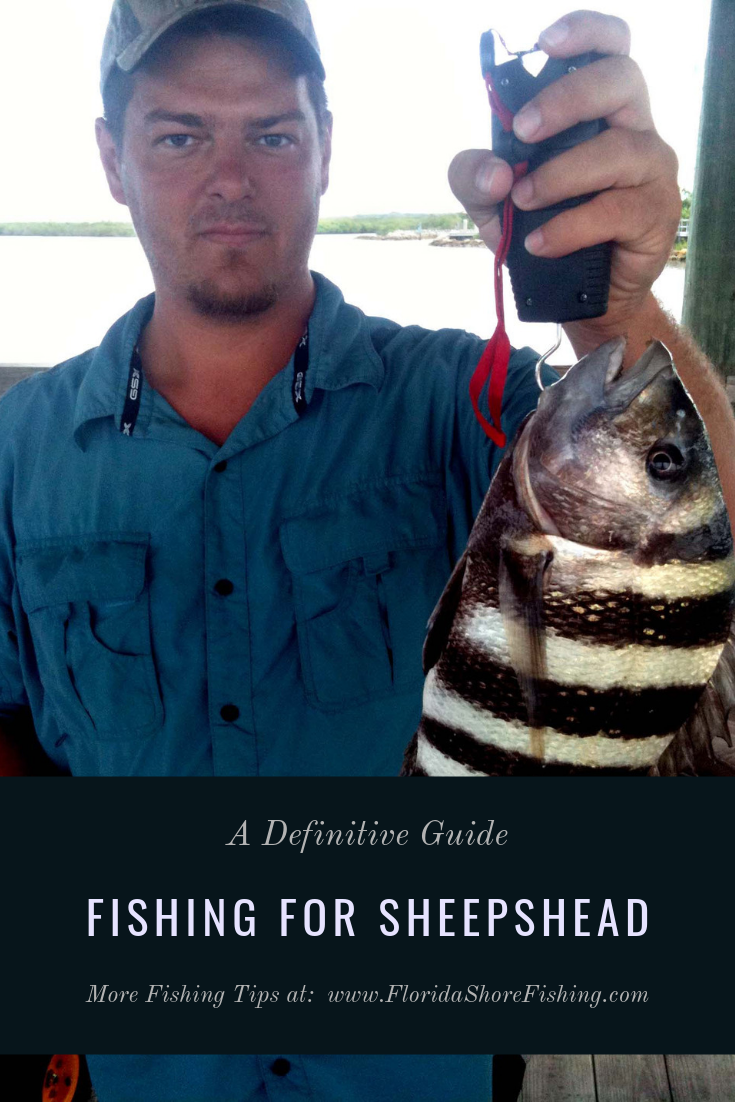
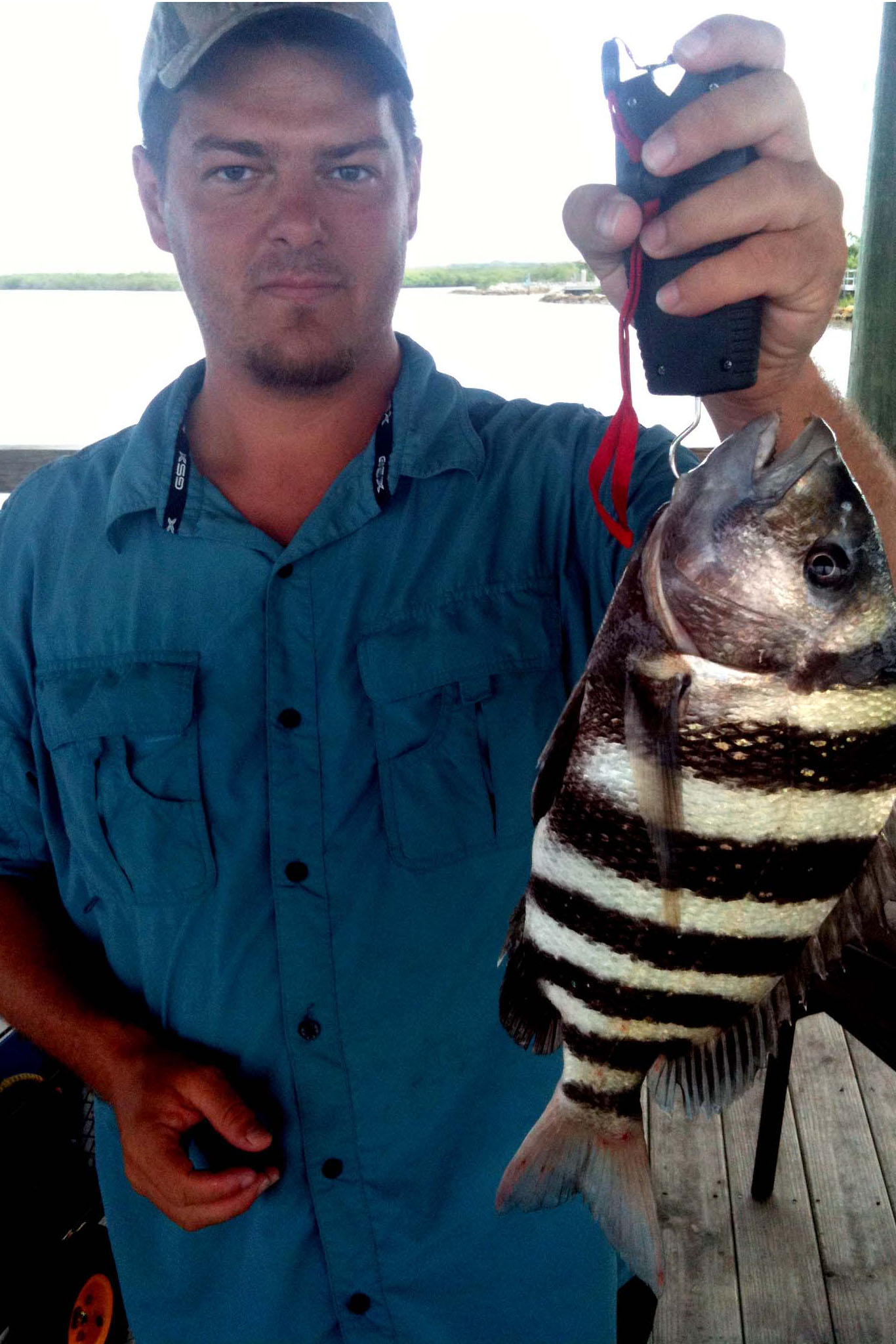
The sheepshead (Archosargus probatocephalus) is a member of the porgy family and is found throughout Florida's Atlantic and Gulf coasts. Their bodies are deep and compressed with six to eight bold black vertical bars over a silver, gray, or white background.
Their most recognizable feature, however, is their mouth.
Unlike most fish, sheepshead have strong, human-like teeth that closely resemble the teeth of sheep—hence their name. These powerful teeth allow them to crush barnacles, oysters, mussels, crabs, and other hard-shelled prey with ease.
Because juvenile black drum have similar coloring, anglers often confuse the two species. The easiest way to tell them apart is by looking at their mouths. Juvenile black drum have small, rounded mouths, while sheepshead have large, prominent teeth that are impossible to miss.
Another feature anglers should respect is their fins.
The dorsal and anal fins contain extremely heavy, razor-sharp spines capable of causing painful puncture wounds. Always handle sheepshead carefully and avoid grabbing them across the top of the body.
Why Sheepshead Are So Popular
Florida anglers target sheepshead for several reasons:
- Excellent table fare with firm, white fillets
- Available from shore throughout much of Florida
- Common around docks, bridges, jetties, and seawalls
- Active during cooler months when many other inshore species slow down
- Fun and challenging to catch
Although they rarely make long runs like redfish or snook, sheepshead fight hard around heavy structure. Their first instinct after being hooked is to dive straight back into pilings, rocks, or oyster beds, making strong tackle an advantage.
Best Time to Catch Sheepshead in Florida
One of the biggest advantages of targeting sheepshead is their predictable seasonal movement.
The best fishing typically occurs from late fall through early spring, with peak action usually happening between December and March.
During the cooler months, larger fish move into bays, rivers, inlets, bridges, and docks to feed and eventually spawn.
In summer, many mature sheepshead move offshore to reefs and wrecks, although smaller fish remain inshore year-round.
Water temperature is often more important than the calendar. As temperatures begin cooling in autumn, sheepshead become increasingly active around shoreline structure.
Best Rod and Reel for Sheepshead
Since sheepshead are usually caught around heavy cover, your equipment needs to provide sensitivity while still offering enough power to pull fish away from structure quickly.
Reel
Both spinning reels and baitcasting reels work exceptionally well.
Choose a quality saltwater-rated reel capable of handling:
- 10-30 pound braided line
- Strong drag system
- Smooth retrieve
- Corrosion resistance
The size of the fish isn't the biggest concern. Most sheepshead weigh between 2 and 5 pounds, while fish over 8 to 10 pounds are considered trophies.
Instead, your reel needs enough power to prevent hooked fish from wrapping your line around bridge pilings or dock posts.
Rod
The ideal sheepshead rod combines sensitivity with strength.
Look for:
- Medium or medium-heavy power
- Fast action
- Sensitive tip
- Saltwater-rated guides
A softer tip allows you to detect the incredibly subtle bites that sheepshead are famous for.
The stronger backbone provides enough leverage to drive the hook into their hard mouths while quickly steering fish away from heavy cover.
A rod between 6½ and 7½ feet is ideal for most shore anglers.
Best Fishing Line for Sheepshead
Braided fishing line has become the preferred choice for sheepshead anglers.
A 15-30 pound braid offers several important advantages:
- Outstanding sensitivity
- Virtually no stretch
- Excellent abrasion resistance
- Better hooksets
- Increased control around structure
Because braid is highly visible underwater, a fluorocarbon leader should always be used.
Leader
A 20-pound fluorocarbon leader approximately 10 to 18 inches long is ideal for most situations.
Fluorocarbon offers:
- Lower visibility
- Superior abrasion resistance
- Excellent knot strength
- Minimal stretch
Keeping the leader fairly short also improves sensitivity, allowing you to feel even the lightest bites.
Best Hooks for Sheepshead
Hook selection is one of the most overlooked parts of sheepshead fishing.
Sheepshead have incredibly hard mouths and powerful teeth capable of bending weak hooks.
Choose hooks that are:
- Extremely sharp
- Heavy enough to resist bending
- Small enough to fit inside their mouths
Depending on bait size, hooks between 1/0 and 2/0 are excellent all-around choices.
Always check the hook point frequently.
If it doesn't immediately grab your fingernail, sharpen it or replace it.
A razor-sharp hook dramatically increases hookup percentages.
Best Weights and Rigs
Use only enough weight to keep your bait where the fish are feeding.
Too much weight reduces sensitivity and makes detecting bites more difficult.
Common choices include:
- Egg sinkers
- Split shot
- Small bank sinkers
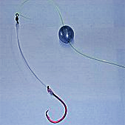
One of the most effective rigs is a sliding egg sinker above a swivel with a short fluorocarbon leader.
This allows fish to pick up the bait naturally while maintaining excellent bite detection.
Adjust your sinker size according to:
- Current speed
- Wind
- Water depth
The lighter your presentation, the better.
Where to Find Sheepshead
Finding sheepshead is usually much easier than catching them.
Their diet determines exactly where they live.
Since they feed primarily on barnacles, oysters, mussels, and crabs, they spend much of their lives around hard structure.
Some of the best locations include:
Bridge Pilings
Bridge pilings are among the most productive sheepshead locations in Florida.
Years of barnacle growth provide an endless food source.
Fish each piling carefully from several angles before moving.
Docks
Residential docks and marina pilings regularly hold sheepshead.
Older docks with heavy barnacle growth are usually more productive than newer structures.
Oyster Bars
Oyster beds attract sheepshead throughout the cooler months.
Fish the edges carefully while avoiding snagging on shells.
Rock Jetties
Large granite rocks quickly become covered with barnacles, making jetties ideal habitat.
Fish every crack, crevice, and current seam.
Seawalls
Older seawalls often develop thick barnacle growth below the waterline.
Sheepshead frequently patrol these areas looking for easy meals.
Riprap
Rock-lined shorelines around bridges, causeways, and channels are excellent places to target sheepshead.
Sight Fishing for Sheepshead
One of the most enjoyable ways to catch sheepshead is by sight fishing.
When water clarity is good, look closely around pilings.
You will often see fish swimming sideways while picking barnacles directly off the structure.
This feeding behavior makes them surprisingly easy to locate.
If fish aren't visible, don't assume they aren't there.
Drop a bait beside the structure anyway.
Often they're simply deeper than you can see.
Chumming for Sheepshead
If fishing seems slow, attracting fish to your location can dramatically improve success.
Effective chum options include:
- Scraping barnacles off dock pilings
- Crushed oysters
- Broken mussels
- Chopped shrimp
These natural food items drift through the water and encourage nearby sheepshead to investigate.
Best Bait for Sheepshead
Fiddler Crabs
Without question, live fiddler crabs are the best bait available.
They are a natural food source that sheepshead rarely refuse.
Hook the crab by inserting the hook from underneath and bringing the point out through the top of the shell.
Leave the hook point fully exposed.
On male fiddler crabs, remove the oversized claw before fishing.
Otherwise, sheepshead often grab the claw and steal the bait without ever touching the hook.
Fresh frozen fiddler crabs also work well if live bait isn't available.
Mud Crabs
Small mud crabs are another outstanding option.
Rig them exactly as you would a fiddler crab.
Sand Fleas
Sand fleas are especially productive near beaches, jetties, and inlets.
Use live sand fleas whenever possible.
Shrimp
Live shrimp catch almost every inshore species, including sheepshead.
Fresh dead shrimp also work surprisingly well.
Use smaller shrimp rather than oversized ones.
Clams and Oysters
Fresh clam and oyster meat can be deadly around dock pilings and oyster bars.
Because these baits are softer, use enough hook exposure to improve hooksets.
Best Sheepshead Fishing Technique
Presentation matters more than casting distance.
The most effective approach is simple.
Lower your bait vertically beside the structure where fish are feeding.
If current is present, position your bait slightly upstream and allow it to drift naturally alongside the piling or rocks.
Avoid swinging the bait.
Keep it as natural as possible.
Maintain slight tension in your line while watching carefully for movement.
How to Detect a Sheepshead Bite
This is where many anglers struggle.
Unlike redfish, snook, or trout, sheepshead rarely slam a bait.
Instead, you'll usually feel:
- A tiny tap
- A slight tick
- A faint pressure
- The line simply becoming heavy
Sometimes the only indication is that your bait suddenly feels different.
Experienced anglers often describe the bite as a gentle "tap...tap."
By the time many beginners recognize the bite, the bait is already gone.
Setting the Hook
The instant you detect anything unusual, set the hook aggressively.
Don't wait.
Their hard, bony mouths require a solid hookset.
When fishing vertically, a quick upward sweep of the rod works extremely well.
Even if the fish has already stolen the bait, setting the hook quickly gives you the best chance of connecting.
Why Sheepshead Steal So Much Bait
Sheepshead earned their reputation honestly.
They use their powerful front teeth to carefully nip bait from the hook before swallowing it.
Rather than attacking aggressively, they often:
- Grab the bait
- Crush it
- Remove it from the hook
- Swim away
Many anglers don't even realize they've been robbed until they reel in an empty hook.
Even experienced sheepshead fishermen expect to lose plenty of bait.
Landing one fish for every three or four fiddler crabs is actually considered a successful outing.
Patience is simply part of the game.
Tips for Landing More Sheepshead
Small adjustments can significantly improve your success.
- Fish during moving tides whenever possible.
- Stay as close to structure as you can without constantly snagging.
- Check your bait after every missed bite.
- Keep your hooks razor sharp.
- Use the lightest weight possible while maintaining bottom contact.
- Bring more bait than you think you'll need.
Why Every Florida Shore Angler Should Target Sheepshead
Sheepshead are one of Florida's most accessible and rewarding inshore fish. They can be caught from public fishing piers, bridges, docks, jetties, seawalls, and shorelines across both the Gulf and Atlantic coasts, making them an excellent target for anglers without a boat.
While they are famous for stealing bait and testing an angler's patience, learning to catch sheepshead is incredibly rewarding. Once you master detecting their subtle bite and fishing tight to structure, you'll discover why so many Florida anglers eagerly anticipate sheepshead season every year.
With the right tackle, fresh natural bait, and a little persistence, you'll be well on your way to landing one of Florida's best-tasting inshore fish.
Quick Sheepshead Fishing Tips
- Fish around docks, bridges, oyster beds, rock piles, jetties, and seawalls.
- Use 15-30 lb braided line with a 20 lb fluorocarbon leader.
- Fish with live fiddler crabs whenever possible.
- Keep your bait close to barnacle-covered structure.
- Watch for subtle bites and set the hook immediately.
- Use razor-sharp, heavy-duty hooks.
- Bring extra bait—sheepshead are legendary bait thieves.
- Handle fish carefully to avoid the sharp dorsal and anal fin spines.
Master these fundamentals, and you'll dramatically increase your chances of catching sheepshead anywhere along Florida's coastline.