
Last Updated on August 13, 2026
Florida has nearly everything a surf fisherman could ask for: miles of sandy beaches, warm coastal waters, year-round fishing opportunities, and an incredible variety of saltwater fish that can be caught without owning a boat.
From pompano and whiting cruising the troughs to snook patrolling just a few feet from the sand, some of Florida’s best fishing can happen while you’re standing on the beach.
That’s one of the great things about Florida surf fishing.
You don’t need a boat, expensive electronics, or a complicated collection of tackle to get started. A surf rod, a reliable spinning reel, a few basic rigs, the right bait, and an understanding of how to read the beach can put you in position to catch fish.
But there’s a big difference between simply casting a bait into the ocean and consistently catching fish from the surf.
Successful surf fishermen learn to read the water.
They understand tides, sandbars, troughs, cuts, currents, bait movement, wind, and seasonal fish migrations. Instead of trying to cast as far into the ocean as possible, they learn to recognize the areas where fish are actually feeding.
This guide is your starting point for surf fishing in Florida.
Whether you’ve never fished from the beach before or you’re looking to improve your success, we’ll cover the fundamentals and point you toward more detailed Florida Shore Fishing guides that can help you master individual techniques and species.
What Is Surf Fishing?
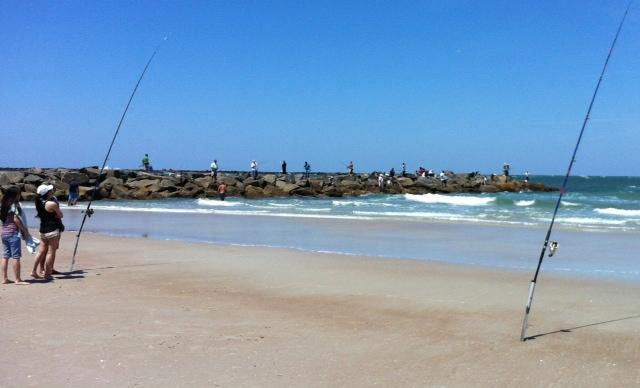
Surf fishing is simply fishing from the shoreline into the ocean.
Most Florida surf fishermen fish from sandy beaches, although similar techniques can sometimes be used around coastal points and areas near inlets.
The traditional setup involves casting bait beyond or between breaking waves and placing the rod in a sand spike while waiting for a bite.
But that’s only one way to surf fish.
You can also walk the beach casting artificial lures for snook, Spanish mackerel, bluefish, jacks, and other predators.
You can fish small pieces of shrimp close to shore for whiting.
You can cast sand fleas and pompano rigs into deeper troughs.
You can throw plugs at schools of baitfish.
There isn’t one correct way to fish the surf.
The technique should depend on the fish you’re targeting and the conditions you’re facing.
Why Florida Is Such a Great Place for Surf Fishing
Florida’s long coastline gives shore anglers an enormous variety of opportunities.
Atlantic beaches can have substantial waves, well-defined sandbars, strong currents, and deep troughs.
Florida’s Gulf beaches can be considerably calmer, creating a different style of surf fishing where lighter tackle and shorter casts may sometimes be appropriate.
Then there are seasonal differences.
Pompano may move through an area during cooler periods. Whiting can provide action from the beach. Snook move along portions of Florida’s shoreline during warmer weather. Spanish mackerel and bluefish may appear when schools of bait move within casting distance.
That’s why there is no single “best” Florida surf fishing setup.
The more you understand the beach in front of you, the easier it becomes to choose the right tackle and technique.
Learn to Read the Beach Before You Cast
If there’s one skill that can transform your surf fishing, it’s learning how to read a beach.
Beginners frequently walk onto the sand, make the longest cast they can, place the rod in a holder, and hope.
Sometimes that works.
But you can dramatically improve your odds by identifying the underwater structure that concentrates fish.
The beach may look relatively featureless from shore, but underneath the waves there can be sandbars, troughs, holes, cuts, points, and channels.
These features affect current and create natural travel routes and feeding areas for fish.
Find the Troughs
A trough is a deeper section of water running between the beach and a sandbar or between two sandbars.
Troughs are extremely important to surf fishermen.
Fish can use them as underwater highways, traveling parallel to the shoreline while looking for food.
One of the biggest beginner mistakes is assuming the fish are always farther offshore.
They aren’t.
Sometimes the most productive trough is surprisingly close to the beach.
That means a 30-yard cast into the right water can catch more fish than a 100-yard cast into the wrong water.
Find the Sandbars
Breaking waves can help reveal the location of sandbars.
When incoming waves encounter shallower water over a bar, they often begin to rise and break.
Watch where waves consistently break, and you’ll start developing a picture of what’s underneath the water.
Pay particular attention to irregularities.
A perfectly straight sandbar may be less interesting than one containing a cut or deeper opening.
Look for Cuts
Cuts through sandbars allow water to move between deeper and shallower areas.
They can also funnel bait.
Predatory fish take advantage of these natural feeding opportunities, which makes cuts excellent places to try.
Watch the Current
Water movement matters.
Look for differences in surface texture, foam moving in a particular direction, areas where waves aren’t breaking normally, and other signs of moving water.
Fish often position themselves along the edges of current rather than directly in its strongest flow.
Look for Bait and Birds
Sometimes the fish tell you exactly where to cast.
Watch for:
- Baitfish jumping from the water
- Dark schools moving through the surf
- Birds diving
- Fish striking the surface
- Pelicans repeatedly feeding in one area
- Nervous water
- Schools of mullet moving along the beach
When predators push bait within casting distance, surf fishing can go from quiet to incredible very quickly.
For a much deeper look at identifying productive water, read our guide to How to Read a Florida Beach Like a Fish: Finding Troughs, Cuts, and Sandbars.
Scout at Low Tide
One of the easiest ways to learn a beach is to visit during lower water.
Features that are difficult to identify at high tide can become much more obvious.
Look for depressions, sandbars, cuts, points, shells, and changes in beach contour.
Take pictures or make mental notes.
Then return when the tide rises.
You’ll have a much better idea of what lies underneath the water.
Remember that beaches constantly change. Storms, waves, currents, and seasonal weather can reshape sandbars and troughs, so don’t assume a productive feature will remain exactly the same forever.
Best Tides for Florida Surf Fishing
There is no tide that guarantees fish.
However, moving water generally gives you more to work with than completely slack conditions.
Tides influence water depth, current, bait movement, and where fish can comfortably feed.
An incoming tide can bring fish closer to shore as water covers areas that were previously too shallow.
An outgoing tide can concentrate moving water through cuts and channels.
Instead of deciding that you will only fish high tide or only fish low tide, learn how your particular beach changes throughout the tidal cycle.
Keep records.
If you consistently catch fish at the same location during a particular stage of the tide, you’ve discovered a pattern worth remembering.
Essential Florida Surf Fishing Gear
You don’t need to fill your garage with equipment before your first trip.
A relatively simple setup can catch a tremendous variety of fish.
Surf Fishing Rod
Long rods are popular because they help anglers cast heavier rigs and keep fishing line above some of the breaking waves.
A rod somewhere around 9 to 12 feet is a useful general range for traditional bait fishing from Florida beaches.
That doesn’t mean shorter rods are useless.
A lighter 7- or 8-foot spinning rod can be excellent for walking the beach throwing lures, targeting whiting close to shore, or fishing calm Gulf beaches.
Match the rod to what you’re trying to accomplish.
Spinning Reel
Spinning reels are popular with surf fishermen because they’re easy to use and capable of making long casts.
Choose a reel large enough to hold sufficient line while balancing comfortably with your rod.
You don’t necessarily need the largest reel in the tackle shop.
For general Florida surf fishing, a quality medium-to-large spinning reel is usually more versatile than an unnecessarily heavy setup.
Fishing Line
Both braid and monofilament can work.
Braided line offers:
- Excellent sensitivity
- Small diameter
- Good casting performance
- Minimal stretch
- High strength for its diameter
Monofilament offers more stretch and is inexpensive and forgiving.
Whichever you choose, inspect your line regularly. Sand, shells, structure, and repeated casting with heavy sinkers can eventually cause damage.
Fluorocarbon Leader
Fluorocarbon is an excellent leader material for surf fishing because it offers abrasion resistance and is less visible underwater than many conventional lines.
Leader strength should match the target species and conditions.
Don’t automatically use extremely heavy leader.
Clear water and smaller fish may call for lighter tackle, while snook, bluefish, large drum, or abrasive conditions may require something heavier.
Best Surf Fishing Rigs
You could fill an entire tackle box with specialized surf rigs, but beginners can catch plenty of fish with two basic designs.
Double-Drop or Pompano Rig
This is one of the most useful rigs for Florida beach fishing.
A sinker sits at the bottom while two hooks are positioned above it on separate droppers.
This rig allows you to present two baits at slightly different positions.
It’s particularly effective for species such as:
- Pompano
- Whiting
- Croaker
- Other bottom-feeding surf species
You can also experiment with different baits on each hook.
For example, put a sand flea on one hook and shrimp on the other. If fish repeatedly choose one, you’ve learned what they prefer that day.
Fish Finder Rig
A fish finder rig is an excellent choice when fishing larger natural baits.
The sinker is positioned on the main line above a swivel, with a leader and hook extending beyond it.
This arrangement allows the bait more freedom to move naturally.
It can be particularly useful when fishing live or cut bait for larger species.
Choosing the Right Surf Fishing Sinker
Your sinker has an important job: keep your bait where you want it.
Use too little weight and your rig may roll down the beach.
Use too much and you’re carrying unnecessary tackle, reducing sensitivity, and potentially making your presentation less natural.
The basic rule is simple:
Use enough weight to hold bottom under the conditions you’re fishing.
Pyramid Sinkers
Pyramid sinkers are among the most common choices for surf fishing because their shape helps them dig into the sand.
They’re useful when waves and current would otherwise move your rig.
Egg Sinkers
Egg sinkers are better suited to rigs where you want some movement.
They’re commonly used with fish finder or Carolina-style presentations.
Sputnik and Sinker Variations
When current becomes stronger, specialized surf sinkers with wires or more aggressive holding designs can help anchor your bait.
Conditions should determine the sinker—not habit.
Best Baits for Florida Surf Fishing
Natural bait remains one of the easiest and most productive ways to catch fish from Florida beaches.
Some of the most useful options include:
- Sand fleas
- Fresh shrimp
- Live shrimp
- Clams
- Finger mullet
- Cut mullet
- Other locally available baitfish
- Fish-attracting synthetic bait strips
Sand Fleas
Sand fleas are one of the classic Florida surf baits, particularly when targeting pompano.
The best part?
You may be able to collect them directly from the beach you’re fishing.
Shrimp
Shrimp catch an enormous variety of Florida saltwater fish.
Fresh pieces of shrimp can be particularly effective for whiting and other bottom feeders.
Mullet and Baitfish
Live finger mullet or fresh cut mullet can attract larger predators.
When schools of mullet are moving down the beach, matching the available forage can be especially effective.
Using Artificial Lures from the Beach
Surf fishing doesn’t have to mean putting bait in a rod holder.
Artificial lures can be extremely productive when predators are actively feeding.
Good choices include:
- Spoons
- Jigs
- Paddle-tail soft plastics
- Swimming plugs
- Topwater lures
- Metal casting lures
Artificial lures also allow you to cover much more water.
Instead of waiting for a fish to find your bait, you’re actively searching for feeding fish.
This can be particularly effective for snook, Spanish mackerel, bluefish, jacks, and other aggressive species.
How Far Should You Cast?
This might be the most misunderstood question in surf fishing.
The answer is:
As far as necessary to reach the fish.
Nothing more.
Casting farther does not automatically produce more fish.
If the fish are feeding in the first trough, launching your bait beyond them is counterproductive.
A better strategy is to cover several distances.
If you’re fishing multiple rods, place one relatively close, another at medium distance, and another farther out if conditions allow.
When one distance starts producing consistently, adjust.
You’re trying to locate fish—not win a casting competition.
Accuracy Is More Important Than Distance
Once you learn to identify troughs, cuts, and sandbars, casting accuracy becomes much more important.
Your goal should be to put the bait into a specific zone.
Practice your casting away from crowded beaches if necessary.
Develop a smooth, controlled motion.
Heavy surf sinkers can be dangerous, so always check behind you before casting and give other beachgoers plenty of space.
Setting the Hook
How you respond to a bite depends heavily on the hook you’re using.
With traditional J-hooks, a controlled hookset may be appropriate.
Circle hooks are different.
When fishing circle hooks, avoid aggressively jerking the rod.
Allow the fish to tighten the line, lift the rod smoothly, and reel.
Circle hooks are designed to move toward the corner of the fish’s mouth as pressure increases.
Landing Fish from the Surf
Getting a fish through breaking waves can sometimes be harder than hooking it.
Keep steady pressure on the fish and use the incoming waves to your advantage.
Avoid allowing the line to go slack.
If you’re planning to release the fish, handle it carefully.
Wet your hands before touching it, minimize time out of the water, and avoid unnecessarily dragging it across dry sand.
Have your pliers and other release tools ready before the fish reaches shore.
Popular Fish You Can Catch from Florida Beaches
One reason Florida surf fishing is so much fun is that you never know exactly what might pick up your bait.
Depending on location and season, common catches can include:
Pompano
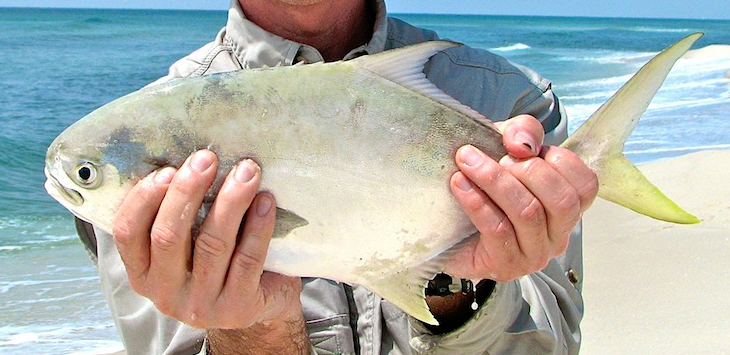
Pompano are one of Florida’s premier surf species.
They’re fast, hard fighting, excellent on the table, and frequently targeted with sand fleas, shrimp, and pompano rigs.
Read our Florida Surf Pompano Fishing guide for a detailed look at targeting them from the beach.
Whiting
Whiting are perfect for beginning surf fishermen.
They often feed close to shore, readily eat shrimp and other natural baits, and are excellent table fare.
See our complete How to Catch Whiting guide for rigs, baits, locations, and techniques.
Snook
Many visitors are surprised to learn just how close snook can travel to Florida beaches.
During the right seasons and conditions, they may cruise only a short distance from the sand.
Instead of automatically making a long cast, look along the shoreline before stepping into the water.
Redfish and Black Drum
Both drum species can appear in the surf, particularly around areas offering the right bottom structure, food, and nearby inlets.
Spanish Mackerel and Bluefish
When baitfish are abundant, fast-moving predators can come within casting distance.
This is when spoons and other fast-moving artificial lures can shine.
Sharks
Florida beaches also offer opportunities to encounter sharks.
Targeting larger sharks requires specialized tackle, knowledge, safe handling practices, and awareness of applicable fishing regulations. It should be treated as a more advanced form of shore fishing rather than something a beginner casually attempts with ordinary surf gear.
Atlantic Coast vs. Gulf Coast Surf Fishing
Not every Florida beach fishes the same way.
The Atlantic coast frequently offers more pronounced surf, stronger wave action, and obvious bars and troughs.
Many Gulf beaches are calmer and shallower.
That means techniques need to adapt.
A heavy sinker and 12-foot rod that make perfect sense during rough Atlantic conditions might be excessive on a calm Gulf morning.
Likewise, tackle that works beautifully on a protected Gulf beach may struggle to hold bottom in stronger Atlantic surf.
Let the conditions determine your setup.
Best Time of Day for Surf Fishing
Early morning is popular for good reason.
Beaches are often less crowded, temperatures are comfortable, and predatory fish may be actively feeding.
Late afternoon and evening can also be productive.
But don’t assume fish stop biting when the sun rises.
Tide, current, weather, water clarity, bait movement, and season can all be more important than the number on the clock.
The best time to fish is when several favorable conditions come together.
Wind and Surf Conditions
Wind can completely change a beach.
Strong onshore wind can increase wave height, stir the water, and make holding bottom difficult.
Offshore wind can flatten the surf and sometimes improve casting conditions.
Neither is automatically good or bad.
The important thing is adjusting.
Carry multiple sinker sizes. Change casting distance. Move to a more protected beach when conditions become unfishable.
And always prioritize safety.
Florida weather can change quickly, particularly during summer. Leave the beach when thunderstorms or dangerous conditions approach.
Don’t Forget Florida Fishing Regulations
Before fishing, check current regulations for the species you’re likely to encounter.
Size limits, bag limits, seasons, and other rules can change.
Some species also have regional regulations.
Never rely on an old photograph, social media post, or years-old fishing article when deciding whether a fish is legal to keep.
Check current Florida Fish and Wildlife Conservation Commission regulations before your trip.
Build a Simple Surf Fishing Setup
If you’re completely new to surf fishing, don’t overcomplicate things.
Start with:
- One surf rod and spinning reel
- Appropriate main line
- Fluorocarbon leader
- Circle hooks
- Double-drop rigs
- Fish finder rigs
- Several sinker sizes
- Fresh shrimp or sand fleas
- Pliers
- Bait knife
- Sand spike
- Cooler
- Measuring device
Learn to use that equipment well.
You can add specialized gear as you discover what type of surf fishing you enjoy most.
The Most Important Surf Fishing Lesson
Your biggest advantage isn’t casting farther.
It’s understanding the water.
Learn to recognize where waves break.
Find the trough.
Look for cuts through the sandbar.
Watch the current.
Notice where baitfish gather.
Pay attention to birds.
Experiment with casting distance.
Remember where you catch fish.
After enough trips, the beach stops looking like one enormous body of water.
You’ll begin seeing individual fishing spots within it.
That’s when surf fishing really starts to make sense.
Explore More Florida Surf Fishing Guides
This page is your starting point for learning how to surf fish Florida’s beaches. As you build your skills, dive deeper into the topics that will help you catch more fish.
Reading the Beach: Learn how to identify troughs, sandbars, cuts, current, and other areas that concentrate feeding fish in How to Read a Florida Beach Like a Fish: Finding Troughs, Cuts, and Sandbars.
Pompano Fishing: Learn how to target one of Florida’s most popular beach species in our Florida Surf Pompano Fishing guide.
Whiting Fishing: Discover the best baits, rigs, and techniques for catching these abundant surf fish in How to Catch Whiting.
Surf Fishing Gear: Build the right beach setup with our Surf Fishing Gear guide.
Florida Beach Fishing: Explore additional techniques and information in our guide to Florida Beach Fishing.
As Florida Shore Fishing continues adding new surf fishing articles, this guide will serve as the central resource connecting you with our latest techniques, species guides, tackle advice, and beach-fishing strategies.
Final Thoughts on Surf Fishing in Florida
Florida surf fishing can be as simple or as technical as you want to make it.
You can take a single rod, a handful of shrimp, and a few rigs to the beach and catch fish.
Or you can spend years learning how tides, currents, weather, sandbars, bait migrations, seasons, and water temperatures influence different species.
That’s part of what makes fishing from Florida’s beaches so rewarding.
There’s always something new to learn.
If you’re just starting out, concentrate on the fundamentals.
Learn to read the beach. Use a simple rig. Choose fresh bait. Experiment with casting distance. Pay attention to tides and current. Watch what successful anglers are doing without crowding them.
Most importantly, remember that the longest cast isn’t necessarily the best cast.
The fish might be much closer than you think.
Once you learn where fish travel and feed in the surf, you’ll spend less time blindly casting into the ocean and more time putting your bait where fish are actually likely to find it.
And that’s the foundation of successful Florida surf fishing.
Basic Surf Fishing Helpful Links
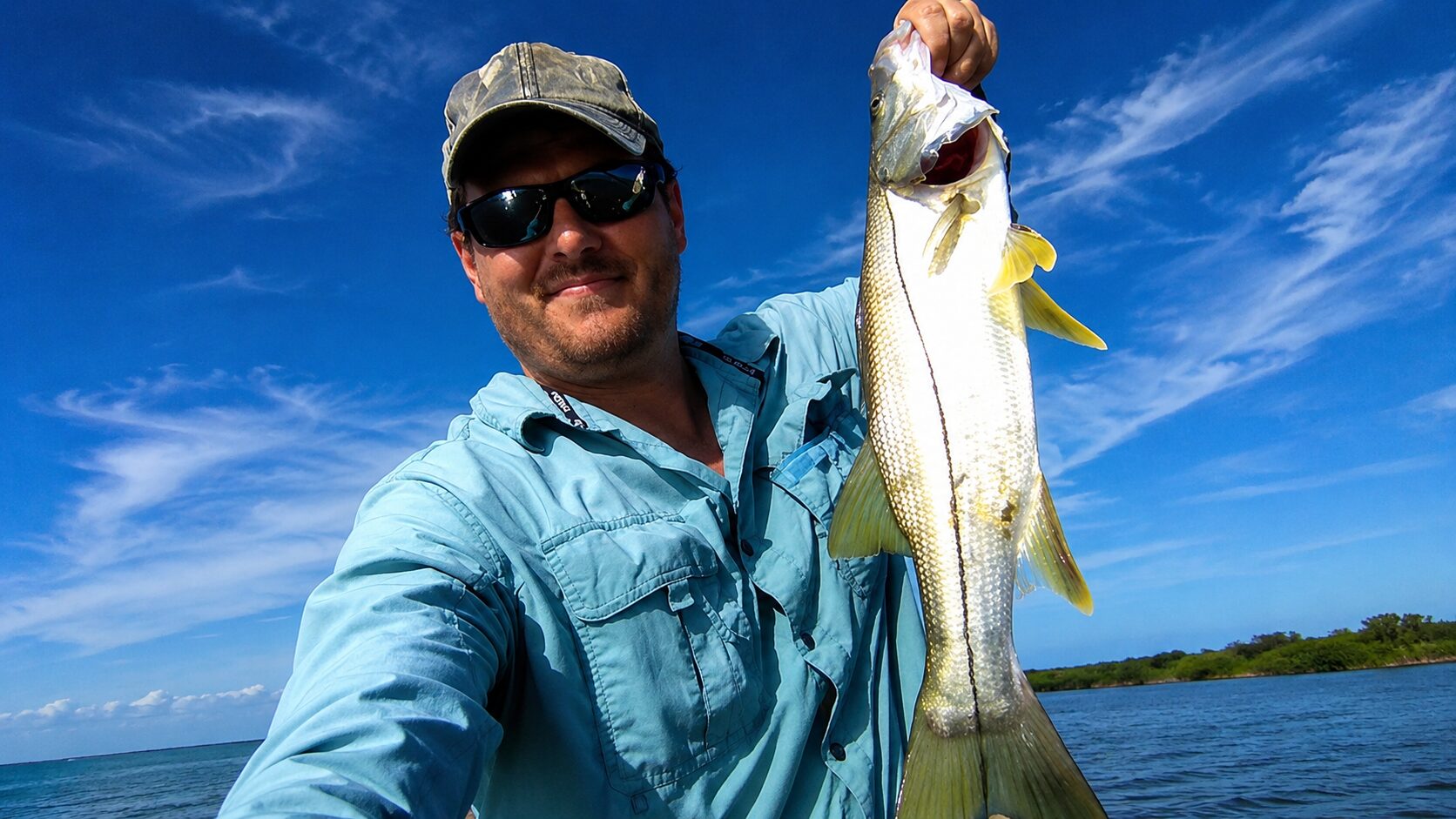
Daniel Hagan has been fishing Florida’s shores since 1985 and writing about it for more than 20 years. As Managing Editor of FloridaShoreFishing.com, he shares firsthand experience covering surf and pier fishing, tackle, techniques, and Florida’s coastal species.